Designing for Awe and Wonder: The Quiet Power of Biophilic Architecture
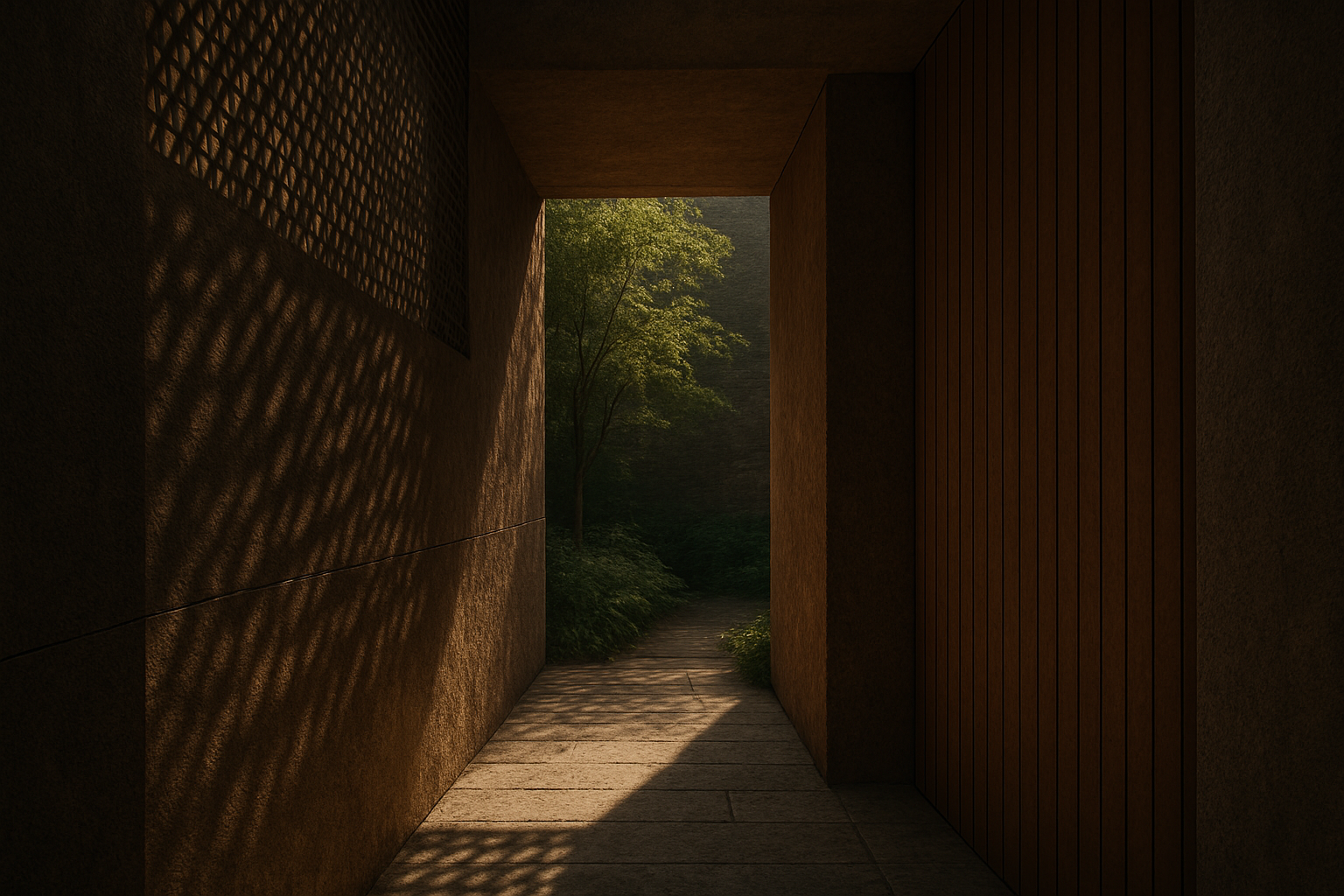
Architecture, at its best, does more than shelter. It stirs. It awakens something deep within us, a subtle sense of awe, a quiet wonder that reconnects us to the world beyond our walls.
In an age obsessed with performance metrics and efficiency, this emotional resonance often gets overlooked. Yet it may be the most essential part of all. Because when we design spaces that evoke wonder, we reawaken a part of our humanity that modern life has dulled, our innate capacity for curiosity, gratitude, and connection.
Awe as a Biophilic Response
Biophilic design is often understood through its tangible elements: greenery, natural materials, daylight, fresh air. But beneath those visible layers lies something less easily defined, an emotional response that transcends the physical.
Awe and wonder are biophilic emotions. They arise when we encounter something larger than ourselves, when light, space, and texture align in a way that feels both deeply natural and profoundly moving. These moments are fleeting, but powerful. They can make an ordinary building feel alive.
This is where biophilic design moves from what we see to how we feel.
A shaft of sunlight crossing a timber wall at dawn. The sound of water echoing softly in a courtyard. The sudden widening of a view after a compressed, shadowed corridor. These are not coincidences, they are carefully orchestrated acts of empathy and imagination.
Designing the Experience
To design for awe is to choreograph experience. It is less about spectacle and more about timing, contrast, and sensory layering.
An architect’s tools, proportion, light, texture, rhythm, sound, become instruments in a quiet symphony that guides the human body and mind.
1. Layering and Reveal
Awe thrives on discovery.
Think of the slow unfolding of a Japanese garden path, where glimpses of the destination are intentionally veiled. Each turn invites curiosity. The view is not given all at once, it is earned.
Architecture can achieve this through spatial layering: compressed entryways that open suddenly into soaring volumes, or narrow corridors that lead to light-filled courtyards. This play of concealment and revelation heightens awareness and makes even familiar spaces feel new.
2. Scale and Proportion
Scale carries emotional weight.
A low ceiling can create intimacy and calm; a tall, vertical space can lift the spirit. When these are juxtaposed, when you move from compression into expansion, the body feels it before the mind names it. That momentary shift in perspective is awe made tangible.
Good architecture understands that we read space through our bodies as much as through our eyes.
3. Light and Shadow
Light is architecture’s most dynamic material. It changes by the minute, reshaping our perception of form and texture.
A rooflight angled towards the morning sun can flood a wall with shifting patterns. A perforated screen can cast intricate shadows that travel slowly across the floor.
These are not decorative gestures, they are temporal ones. They remind us that the building is alive, that time is passing, that we are part of a greater natural rhythm.
4. Texture and Material Honesty
Touch is an underrated sense in architecture.
We feel authenticity through materials, the grain of timber, the cool density of stone, the irregular surface of hand-rendered plaster. These textures hold memory and invite engagement.
In an age of smooth surfaces and synthetic perfection, texture reintroduces imperfection, and through it, humanity. It grounds the experience of awe in something tactile and real.
5. Sound and Movement
Sound is often the hidden dimension of wonder. The crunch of gravel, the soft echo of footsteps, or the murmur of wind through leaves can subtly guide us through space.
When we design openings and courtyards that allow air to move, or water to ripple and reflect light, we’re creating not just visual moments, but acoustic and emotional ones too.
Sound, like light, shapes how we inhabit a building.
The Fragility of Awe
The challenge is not just to create moments of wonder, but to sustain them.
Humans adapt quickly. The harbour view that once stopped us in our tracks soon becomes background. The dramatic skylight fades into routine. This is why maintenance of wonder must be built into the design itself.
The key lies in change. Spaces that evolve with time and weather retain their vitality. A pool of water that reflects clouds by day and city lights by night. A window that frames not a fixed view, but a living one, trees shifting with the wind, light bending with the season.
When architecture celebrates impermanence, it keeps our senses alive.
Awe endures not through grandeur, but through attention. It is the small, recurring reminders, the flicker of sun through leaves, the shifting scent of rain, that make a place feel alive long after its newness fades.
Urban Awe: Finding Wonder in Density
Even in dense cities, awe is possible.
A narrow laneway can open to a hidden garden. A vertical slit between buildings can reveal the sky. A rooftop can become a stage for light and wind.
Designing for awe in the urban context means finding the extraordinary within the ordinary, revealing the patterns of light, texture, and sound that already exist, but go unnoticed.
Biophilic design in cities is not about recreating wilderness; it’s about reawakening awareness. By embedding natural rhythms, daylight, air, shadow, water, into the urban fabric, we invite moments of wonder into daily life. The city, too, can breathe.
A Human-Centred Craft
Ultimately, awe is not an architectural style, it is an attitude.
It asks the designer to be humble, to work not in service of ego but in service of experience. To listen to the site, to understand the play of light, to choreograph the unseen.
This is Emotional Architecture at its most subtle: architecture that does not shout for attention, but whispers, “look closer.”
Awe is what makes a building linger in memory. It cannot be captured in photographs or quantified in performance charts. It is felt, moment by moment, as light shifts and the world outside moves.
And perhaps that is the quiet triumph of soulful design, that it gives us back our sense of wonder, even if only for a fleeting second, before we carry it into the rest of our lives.